
Osteopathy in central Munich – Nessenius Therapie
Home / Osteopathy

Osteopathy in
Munich's old town.

Our holistic approach treats all of your body's systems, supporting your active path back to balance. We don't want osteopathy patients who lie down every six weeks and do nothing — we guide you actively through the process.

What is osteopathy?

Osteopathy as active support.

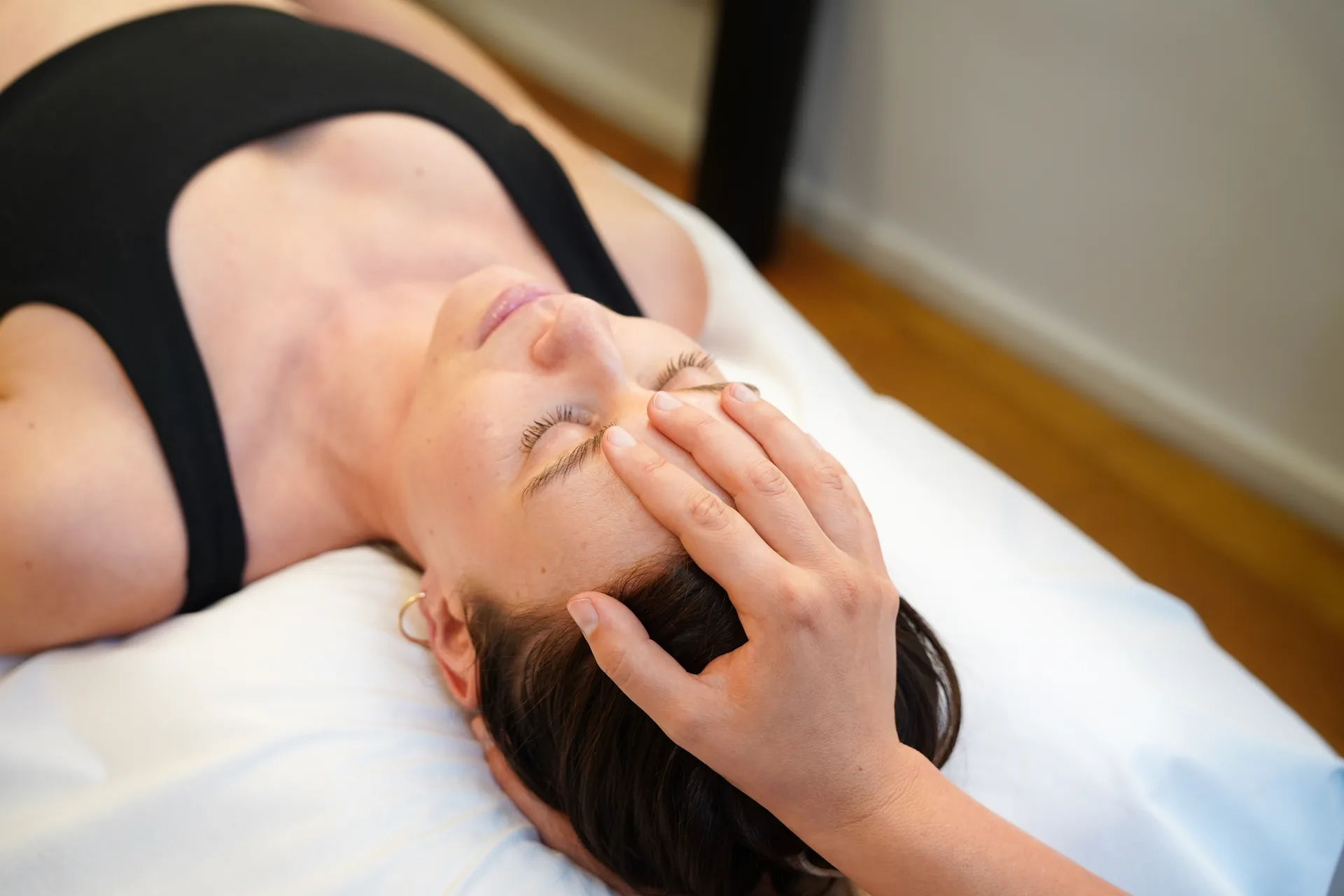
Osteopathy is a continuation of physiotherapy on the body — including the craniosacral and visceral systems, which are not covered as intensively in physiotherapy training. This allows us to treat an even wider range of dysfunctions and complaints.

At our private practice in the heart of Munich, Franziska Nessenius and Jana Nowosadtko treat patients as trained osteopaths. Through the sectoral Heilpraktiker licence for physiotherapy (a self-pay service), osteopathic treatment is possible even without a doctor's prescription.

  • Parietal osteopathy (musculoskeletal system)
  • Visceral osteopathy (organs & their suspensions)
  • Craniosacral osteopathy
  • Treatment by trained osteopaths
  • Private insurance (PKV) & Heilpraktiker supplementary insurance
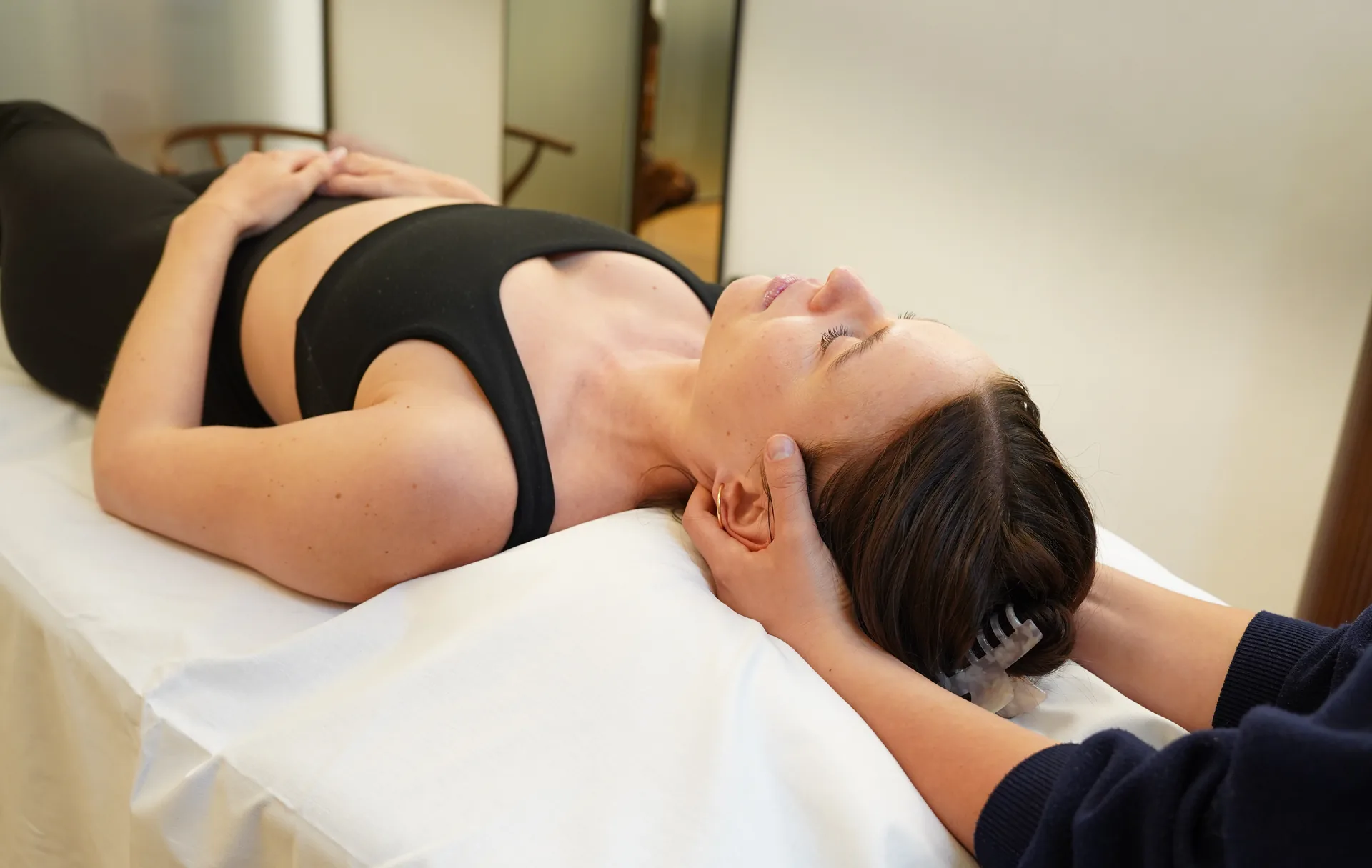
Osteopathic treatment at Nessenius Therapie Munich
Verband der Osteopathen Deutschland e.V. Member of the Verband der Osteopathen Deutschland e.V. (German Osteopaths Association) – qualified osteopathic treatment to VOD standards.
Our three pillars

The three areas of osteopathy

We combine the classic osteopathic disciplines into a treatment approach that views your body as a whole.

Parietal osteopathy

Treatment of the musculoskeletal system with a focus on dysfunctions that originate there. The focus is on the spine, joints and their surrounding structures (e.g. digestive complaints caused by the spine).

Visceral osteopathy

Work on the internal organs and their suspensions for functional digestive complaints, complaints after surgery and postnatally (e.g. after childbirth).

Craniosacral osteopathy

The subtlest work on the skull, spine and sacrum. For problems originating in the craniosacral system — e.g. nervous system issues such as deep exhaustion or regulation disorders.

When does osteopathy help?

Typical indications

These conditions respond particularly well to osteopathic treatment.

Tension headaches & migrainesIncl. TMJ/CMD jaw joint complaints
Chronic back painWhen conventional approaches are not enough
Functional digestive complaintsIrritable bowel, bloating, flatulence
Post-surgery & postnatalSupport after surgery and after childbirth
Dizziness & tinnitusFunctional origin, cervical spine-related
Shoulder & neck tensionChronic or from screen work
Pelvic & hip complaintsSI joint blockages, groin, pelvic floor
Stress-related complaintsTension, sleep problems, exhaustion
FAQ Osteopathy

Frequently asked questions about osteopathy

What patients want to know before their first appointment at our private practice — answered briefly and honestly.

Physiotherapy is a medical treatment using active and passive techniques (manual therapy, physiotherapy exercises, training) — usually based on a doctor's prescription. Osteopathy is an independent, holistic approach that views the body through three systems: parietal (musculoskeletal), visceral (organs) and craniosacral. We combine both where it makes sense.
No. We have sectoral Heilpraktiker for physiotherapy on our team and may therefore provide osteopathic treatment even without a doctor's prescription. With a private doctor's prescription, reimbursement through private health insurance (PKV) is usually possible.
Private health insurers usually reimburse osteopathy in part or in full. Many statutory insurers also contribute as part of their voluntary additional benefits. Heilpraktiker supplementary insurance typically covers osteopathic treatments. We recommend checking with your insurer individually — we will issue the appropriate invoice for you.
For the initial appointment we take 60 minutes — for a detailed medical history, assessment and first treatment. Follow-up appointments usually last 50 minutes. That leaves enough room to look at the body as a whole instead of just chasing symptoms.
That varies from person to person. For acute complaints, 2-3 sessions are often enough. For chronic complaints we typically recommend 4-6 treatments spaced 1-2 weeks apart. We discuss this transparently with you after your first appointment — you should only keep coming as long as you benefit from it.
Especially with chronic complaints — recurring back pain, tension headaches, functional digestive complaints, stress symptoms — osteopathy can provide valuable impulses. What matters is a thorough assessment, so we address the actual cause — not just the symptom.
Comfortable, loose clothing — sportswear or yoga clothes you can move well in are ideal. Treatment takes place in underwear or sportswear. If it makes you more comfortable, feel free to bring a towel.

Book your osteopathy appointment

For the initial appointment we recommend at least 60 minutes — for a thorough medical history and first treatment.